How many times have you stood at the shelves in a store for ages looking at face creams and been overwhelmed with working out what all the ingredients are and what they are supposed to do?
That used to be me.
Many companies use jargon, made up words and promises of miraculous results, but what is actually in these creams, and how do you tell if the ingredients are really good for your skin?
These days I still look at the ingredients list of everything before I buy, not only for toiletries, but all packaged food. You would be horrified to know what is in some things that you have trusted for years. The higher the price doesn’t necessarily mean better ingredients, just often fancier more expensive packaging.
So let me educate you on some of the good ingredients to look out for and what some of the terminology means.
Lets talk about skin
Your skin is literaly the largest organ in the body that is highly absorbant of what you put onto it, and reflects what you put into your body too. It is made up of 3 layers:
The epidermis, dermis and hypodermis. The Epidermis or outside layer, has an acid- alkaline balance that is necessary for healthy functioning. Called the acid mantle, it is slightly acidic and comprised of sebum, (your skin’s natural lubricant and protector), and fatty acids. The mantle should be between 4.6-5.5pH to protect skin from the elements, bacteria and irritants.
pH- stands for ‘potential in Hydrogen’ or concentration of Hydrogen ions - which is a measure of how alkaline or acidic something is. It ranges from zero - highly acidic, to 14- highly alkaline, with 7 being neutral.
It is worth checking the pH and irritant level of the other ingredients you are using in your personal care routine- such as shampoos, hand and body wash, that come in contact with your skin during washing. Incidently, your shampoo should also be the same pH. Studies into the gut microbiome are now showing the link between your wellbeing and the healthy bacteria that live on your skin and help protect it. If you wish to test your products you can buy pH strips from the chemist.
Lets talk about ingredient types
Products manufactureres may use these terms in advertising, so what do they mean?
Humectants - draw moisture to themselves, retain it and prevent moisture loss from the skin. They function as a sort of sieve, letting certain molecules in and keeping others out. Eg; Aloe Vera, Honey, Glycerine and Hyaluronic acid.
Emollient’s - moisturise and nourish the skin. Eg, Jojoba & Rosehip oils, Shea and Cocoa butter. fatty alcohols are also emollient as well has helping to stabilise emulsions.
Occlusives - Skin barrier to the elements and stop moisture loss from the skin. Eg; Shea and Cocoa butter, Beeswax, Sea buckthorn and Calendula. A good moisturiser is a balance of Humectants, Emollients and Occlusives.
Emulsifiers - help things mix that normally wouldn’t. Eg; oil and water. Examples are glycerin and beeswax which are absorbed by both oil and water. Fatty alcohols also help to bind water and oil together.
What are good moisturiser ingredients to look for and why?
Here is a list of the ingredients to look out for:
Aloe Vera - antibacterial, antioxidant, contains Vit C & E, anti inflammatory and very hydrating for skin. It is a humectant that helps the skin retain moisture.
Cocoa butter - it can be a bit comedogenic (clogging pores if used in too high amounts) but is a good occlusive, and helps soothe skin rashes.
Mango butter - is anti inflammatory and emollient. A natural preservative, it contains some Benzyl alcohol, that gives good shelf life to products, (up to 5yrs) and is better absorbed than cocoa butter.
Jojoba oil - is actually a wax and almost identical to human sebum, which means it absorbs well and helps to regulate and balance sebum levels.
Honey - antioxidant, anti inflammatory, antibacterial and anti fungal.
Rose hip oil- antioxidant rich in Essential Fatty Acids vitamin A and E. Hydrates and protects against sun damage, boosts collagen, reduces inflammation and hyperpigmentation.
Vegetable glycerin - has pH like skin, moisturising and facilitates absorption of other ingredients. Is soothing, antibacterial and creates skin barrier against the elements and moisture loss, humectant. Works well with jojoba oil and shea butter.
Bukuchiol - is a potent and safer alternative to Retinoids. It stimulates collagen production and increases cell turnover to smooth wrinkles, even out skin tone, and improve elasticity
Natural Peptides - increase production of hyaluronic acid, collagen and elastin. Usually an expensive item to include. (My moisturiser, Face the Future uses an Australian native plant called Nicotiana Benthamiana).
Hyaluronic acid - is naturally produced by the body and a humectant which regulates water balance in the skin.
Squalane (olive derived) - deeply hydrates without clogging pores. It is excellent for all skin types and calms redness, soothing the skin. it is easily absorbed.
Sea Buckthorn - is anti-inflammatory, contains fatty acids that create a lipid barrier to protect skin, helps moisturise and soften the epidermis, is antioxidant and contains GLA (gamma linolenic acid), which helps to repair and regenerate skin
What are the other ingredients that are necessary for a cream?
In order to make a stable emulsion of oil and water and to maintain the stucture of the cream, for a good facial moisturiser, you need to add some fatty esters and alcohols. Here are some pretty standard ones you may have seen on packaging:
Cetyl alcohol - waxy alcohol, thickener and emulsifier, derived from palm or coconut oil. Helps create a creamy texture.
Cetearyl alcohol - a mix of acetyl alcohol and stearyl alcohol. Emollient and emulsifier. Helps with viscosity and stability. Is oil soluble.
Cetearyl glycoside - another waxy alcohol that emulsifies and helps create a nice soft feel on the skin.
I have done much research on these ingredients and have been using most of them for many years, therefore I am very happy to use them in my Moisturiser.
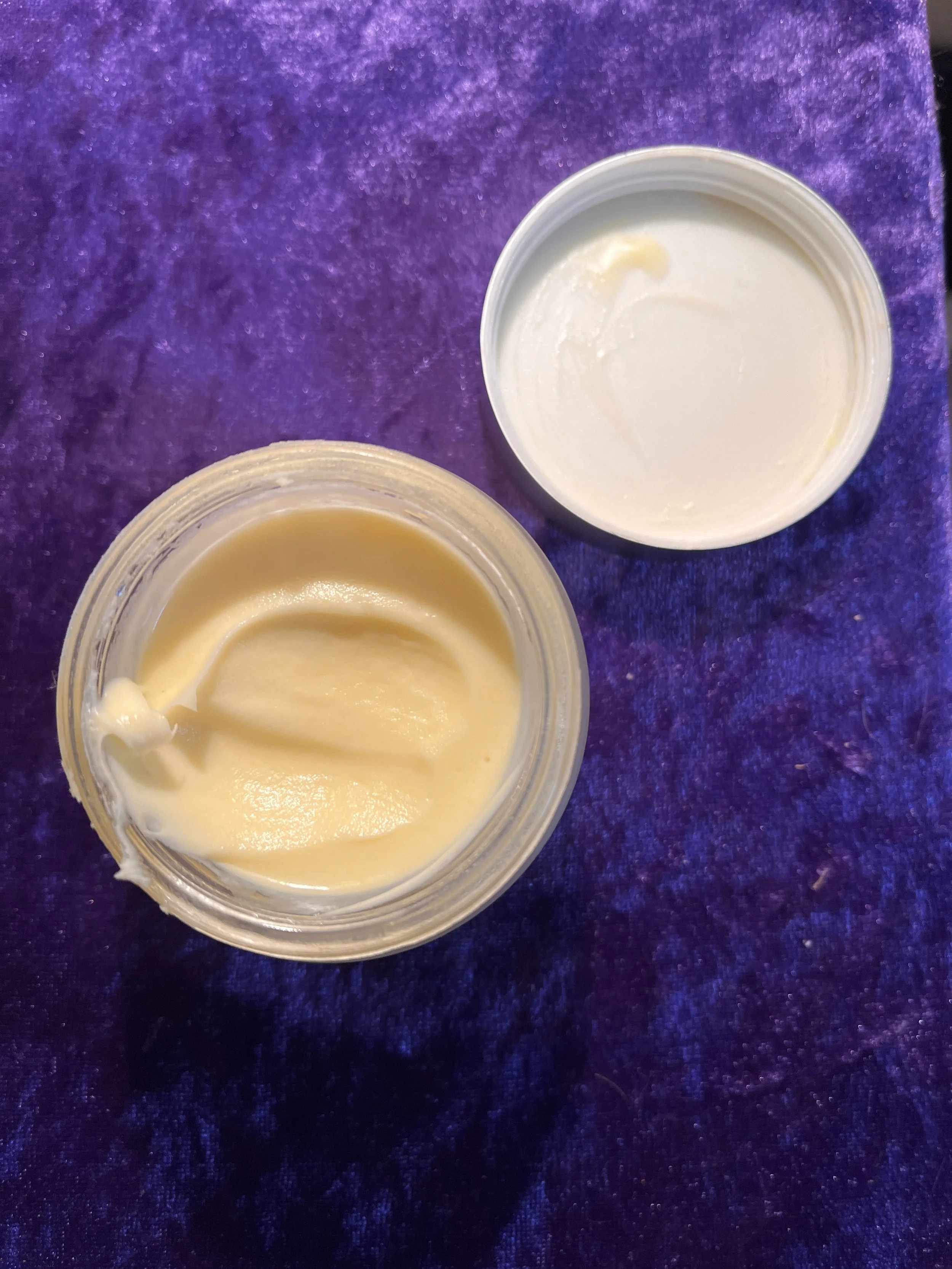
If you would like to check out my Face the Future™ moisturiser, head over to the page on my site. https://empowered2happiness.com/ftfcream
Your skin will thank you.
All the best for health and happiness. Soleil
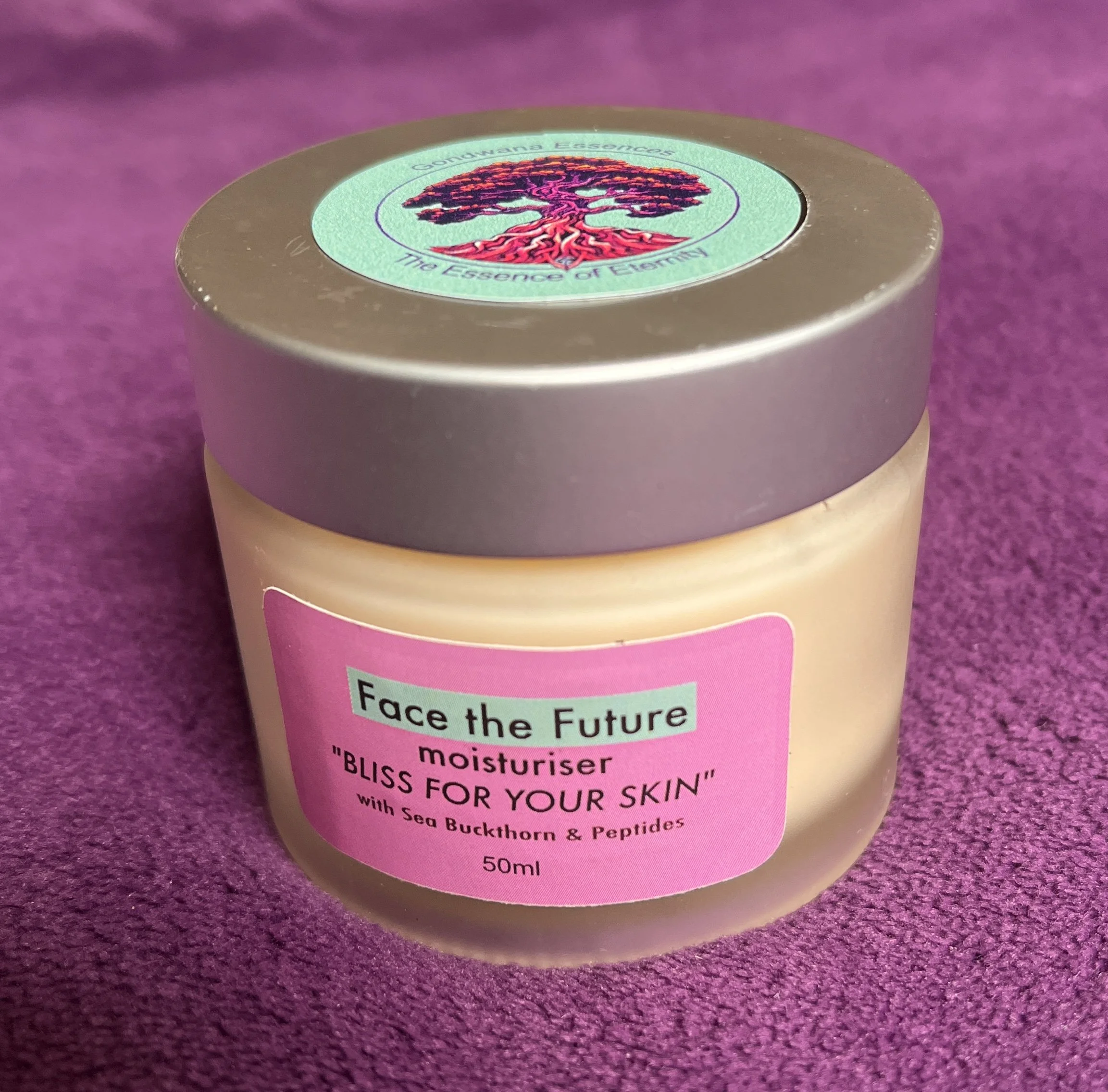
Face the Future™ Moisturiser